A B C D E F G H I J K L M N O P Q R S T U V W X Y Z
A
Afghanistan
Ahad Quraishi is a Dutch GP from Afghanistan who chairs the foundation: “Everyone deserves a chance”. There are 280 Afghan doctors in the Netherlands. His network is vast. info@kans4you.eu
Antilles
BONAIRE
Healthcare there is currently organised by: https://www.pccarib.com/
Situation: There are seven medical practices on Bonaire, five with GPs trained in South America and two with Dutch GP pairs employed there. The work is very similar to that in the Netherlands: even the HIS system comes from the Netherlands; only the patients, the context and the way of working are different. For example, there is still a lot of paper-based correspondence, little telephone triage takes place, and people have to queue at the chemist’s with their prescriptions. The hospital operates in a very Dutch way, but it too faces digitalisation issues, and not all specialists are always available. Sometimes patients are flown to Colombia, Aruba or Curaçao. Common health issues on the island include hypertension, diabetes, obesity and their associated complications, of course, but domestic violence and road traffic accidents are also very common.
Locum work: there is a great need for locums on Bonaire (preferably for at least 6 months, but if you’re confident in your language skills, a shorter period is also possible). Various practices are looking for permanent locums, and in addition, there are GPs due to retire in the coming year who have not yet found a successor. The Out-of-Hours Medical Service (HAP) also always has shifts available (evenings and weekends).
Requirements: BIG registration, BES exemption (not a problem if you’ve recently worked in the Netherlands), professional indemnity insurance for Bonaire (to be arranged through VVAA). The main languages spoken on Bonaire are Papiamentu, Spanish and Dutch. If you have a basic grasp of Papiamentu or Spanish, you’ll get by just fine. If you’re staying for longer than 3 months, you’ll also need to register on Bonaire, which involves a bit more paperwork.
Living and social life: Bonaire isn’t a cheap island, but it does have a lot to offer. It’s safe, small and a fantastic place for windsurfing, diving, sailing, snorkelling, cycling and so on. As for schools, there’s a waiting list, so if you want to send your children to the ‘Dutch’ (private) school, you’ll need to enrol them as early as possible. For the children, there’s an after-school club at the riding school, swimming lessons in the sea, surfing lessons and plenty more to do. Financially, working as a locum on Bonaire isn’t particularly lucrative, but it’s manageable if you’re working in general practice.
Contact: If you are interested, I can put you in touch with GPs or the GP out-of-hours service on Bonaire; you can contact me via the WHIG.
Mashi Danki and Ayo
CURACAO
Irma Baltes and Maarten Dekker are in Curaçao during the COVID-19 pandemic.
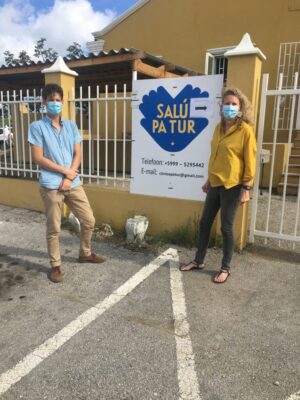
A trip back in time… The diabetes mellitus tsunami on Curaçao: a working visit.
Joop Raams, GP in Amersfoort, board member of the NVTG
Curaçao, a small autonomous country within the Kingdom, is grappling with a massive epidemic of diabetes mellitus, with incidence rates 3–4 times higher than in the Netherlands, a large proportion of which remains undiagnosed or uncontrolled. The causes include heredity, poverty, lifestyle factors, inadequate screening, capacity issues amongst GPs and a lack of cooperation with secondary care. The result is that hospital capacity is being overwhelmed by acute complications such as ketoacidotic coma and foot ulcers, as well as chronic complications such as kidney dialysis and amputations. Healthcare costs are rising exponentially as a result of this epidemic. The Ministry of GMN (Health, Environment and Nature) recognises this problem and wishes to tackle it by implementing the diabetes mellitus care standard (translated for Curaçao) through integrated care based on the Dutch model. To advise on this matter and help the parties reach a consensus, the undersigned, together with a representative from INEEN and the NDF, undertook a working visit to Curaçao at the invitation of the Ministry, and we participated in a working conference for all parties involved: the government, the insurer (SVB) and all primary and secondary care providers. The conclusion of the working conference was that the problem can be managed if all parties take responsibility and work together to tackle it. This requires strengthening and organising primary care with the GP at its centre, clear working arrangements with the hospital, a shift towards primary care, effective IT support, training and continuing professional development, training for GP assistants, quality assurance and national coordination, as well as adequate funding. An ambitious project plan is being drawn up to achieve all this, in which the costs will be outweighed by the benefits; but if it succeeds, Curaçao will become an even healthier and more vibrant part of the Kingdom under the sun.
Australia (Looking for work as a GP?)
The ‘Always-wanted-to-know-but-too-afraid-to-ask: an easy guide to working in Australia’ GP guide
Key points
- Please be patient! The registration process is a lengthy one, which can take a year or more, as all the steps are carried out sequentially. There is a great deal of dissatisfaction with the current process, and GPs who have recently arrived – including myself – have been interviewed about this. Hopefully, this will improve in the future.
- It’s definitely worth it if you want to stay for a longer period; the work-life balance, the climate and your income are generally better here than in the Netherlands.
The Process
1. Find a ‘locum‘ agency that can help you find a suitable post. First, consider where in Australia you want to go, as most agencies specialise in a particular part of the country. GP practices must have a certain status (area of need status) before they can take on a foreign doctor – make sure to check this! This usually means outside the major metropolitan areas of Sydney and Melbourne. As many practices are in need of GPs, they will cover the costs of the ‘locum‘ agency. This generally amounts to around 10,000–15,000 dollars per placement.
2. Job interview, usually by telephone with interested practices. This is obviously important, as you’ll be working together. But they are also involved in applying for your visa, essentially agreeing to support you and your family if things go pear-shaped. This also means that you cannot simply go and work somewhere else once you’re here, as your visa is issued specifically for work at that particular practice until you obtain permanent residency.
3. Begin the enrolment process with the Australian Medical Council (AMC). http://www.amc.org.au/index.php/ass/apo/spp/aonsp
– All documentation must be translated, certified and can only be sent by post, which means several trips to the Australian Consulate in The Hague.
– The website states that all documentation should be sent in duplicate to the AMC and the relevant specialist college; for general practitioners, this is the Royal Australian College of General Practitioners (RACGP) or the Australian College of Rural and Remote Medicine (ACCRM). In my experience with the RACGP, they only take action once they have received the ‘all-go’ from the AMC, so there was no point in sending the data to both.
– Part of the AMC’s checklist is verification of your qualifications through the ECFMG http://www.ecfmg.org/ Based in the USA. Very slow and bureaucratic in terms of response times; good luck, especially if you obtained your medical degree in Leiden.
– The IELTS, an English language test, must be passed with a minimum score of 7 (good user) in all four components. Focus on the essay; the rest is ‘easy’.
4. Enrolment procedure with the RACGP
http://www.racgp.org.au/download/Documents/Fellowship/pathway_overview_flowchart.pdf
– Documentation previously sent to the AMC has now been sent to the RACGP
– Assessment of GP category: Dutch general practitioners are classified as category 2
– A Fitness for Intended Clinical Practice interview, which is a sort of ‘Skype‘ interview. This was a lot tougher than I expected; depending on the outcome, you’ll get a ‘go‘ or a ‘no go’ – usually a ‘go’ – with a certain amount of supervision.
5. Feedback to the AMC, following which the AMC gives you the final ‘go‘ for the enrolment procedure with the Australian Health Practitioner Regulation Agency (AHPRA) http://www.ahpra.gov.au/
This is the Aussie BIG registration, so you’ll be given a provider number and a prescriber number; without these, you cannot claim on Medicare or issue prescriptions.
- Send documentation similar to that sent to the AMC and the RACGP
- Submit a request for a 19AB exemption; otherwise, you won’t be eligible for a provider number. This is subject to change, so ask your ‘locum’ agent when you get round to it.
- The application must be submitted in person at an AHPRA office in Australia, after which it may take a further 4–6 weeks before you can actually get started. Please bear this in mind when planning.
- You are a specialist practitioner in the Netherlands (registered as a vocational GP), but you will be registered as a non-vocational GP until you have passed the RACGP exams (which is only possible after six months’ work in Australia).
- Apply for a visa. The best option is probably a 457 long-term business visa, which allows you and your family to live and work in Australia. After two years, you can apply for permanent residency. This will also allow your partner to work, if they choose to do so
- The visa application was a breeze compared to the medical registration; the service was good and the response was quick, and it was all done digitally.
- You need a medical check-up; I was quite happy with this GP in Amsterdam
http://huisartsamsterdam.praktijkinfo.nl/pagina/60/australia_canada-health-exam/
Concluding remarks
At the time of my application, I was 34 and had just completed my GP registrar training. Depending on your personal circumstances, some aspects of the registration process may differ. .
Any questions? Please feel free to email krukerink@hotmail.com
Kind regards, Marco Krukerink
We are looking for information and contact details regarding FM radio in Irian Jaya (Papua New Guinea, Asia) and across Oceania.
B
Botswana
FM training began in Gaborone in 2010. The main training sites are the district hospitals in Mahalapye and Maun. The head of the FM department is: Vincent Selthare, vincent.setlhare@mopipi.ub.bw. Contact email: Colin Pfaff colinpfaff@yahoo.co.uk by Dr Luise Parsons luise.parsons1@btinternet.com
Brazil
Maastricht University has links with Brazil.
C
Canada
Calgary University has an active department that provides a wealth of free teaching materials for rural family medicine in LIC. MMedical (see https://www.mmedical.nl) offers mediation.
The Dutch GP training programme is highly regarded.
There are several provinces looking for GPs, with Alberta having the highest number of vacancies.
The preparation takes time – at least one year – after which you can work (for pay) under supervision.
China
The Zorggroep Almere has a partnership with the city of Qingdao (population 3 million), where over 100 health centres have been set up based on the FM approach.
The exchange was part of a wider exchange programme between China and the Netherlands. See the report on the programme and project of the Dutch and Chinese governments.
Cuba
Paul Jonas is the Cuba coordinator and FP trainer at Leiden University Medical Centre. He is intrigued by the fact that life expectancy and child mortality rates in Cuba are on a par with ours. Read in Dutch the 2020 interview with Annemarie de Jong.
His experiences inspired them to develop a training module on prevention and public health for the FP trainees.
He has established a network in Cuba; doctors and students can apply to undertake elective placements there. A Cuba Focus Group (comprising former Cuba elective students) helps students to find an elective placement. They also give presentations on prevention to interested local groups.
His email address is: P.P.M.Jonas@lumc.nl. He wrote in Dutch an article in MC on Cuban healthcare and A handbook on prevention for family planning trainees.
See also our paper on Lessons on prevention from Cuba, in Dutch, in our Primary Care Journal
Costa Rica
Costa Rica is a prime example of how it has organised its healthcare system.
Community-Oriented Primary Health Care: Lessons from Costa Rica | Commonwealth Fund
Kristin Holthuis (FP, Diplomate in Comprehensive Energy Psychology, Certified EFT Trainer) has spent many years supporting the training of family practitioners in San Jose. She now runs a private general practice in San Jose.
Colombia
Read here: LOVAH bulletin: GP placement in Cali about a Dutch student’s experiences with the FM 360 project in Cali. The text is taken from the LOVAH bulletin.
D
DRC (Democratic Republic of the Congo)
Vainqueur Diakengua Nsongisa – a participant in the FM training programme in Kinshasa – recently launched a research project on hypertension.
The research is part of an oARC online support programme See also the WONCA website: Afriwon Research Collaboration of WONCA.
It is quite a challenge to see whether this programme is living up to expectations.
email: Vainqueur Diakengua
E
Ecuador
Jaap Bezemer is a Doctor of International Health and Tropical Medicine (AIGT) and works in primary care at the outpatient clinic and A&E department of the Christian hospital ‘Hospital Shell’.
He devotes a large part of his time to research into tropical diseases, particularly leishmaniasis. We want to improve general understanding, diagnosis and treatment of this disease.
He is also very involved with an indigenous evangelical church. Together with his wife Linda, we help jungle communities of the Zapara, Shuar and Shiwiar tribes by setting up small pharmacies and training local healthcare workers.
Hospital Vozandes Quito trains GPs and provides high-quality GP care. Further information can be found on their website: https://hospitalvozandes.com/
Contact: j.m.bezemer@gmail.com. Telephone: 00593994020173
Jacob and Carolien van der Ende, both tropical medicine specialists, in 2017 Quina Care established to facilitate the construction of Hospital San Miguel.
Hospital San Miguel is a regional hospital in the Amazon region which provides comprehensive primary care and acute secondary care. A large proportion of its daily caseload involves general practice, which is why we have featured them on the WHIG website.
F
France
Former tropical medicine doctors have moved to other countries to work as GPs. So did Jan Auke Dijkstra by moving to France. France offers a great job opportunity due to a severe shortage of rural GPs. You need to speak French. He works 50/50 across two practices, one in a village of 8,000, alongside one other colleague.
He worked for eight years in Curaçao in the 1980s, in a hospital and as a GP. He then spent three years in the Republic of Benin and later in Rwanda following the genocide in 1995. He then returned to Antwerp to study for an MPH, putting his knowledge into practice in Zimbabwe for a couple of years. He then spent three years split equally between Geneva (travel medicine) and France (GP), before returning to Africa for five years, this time to Namibia, where he worked for the WHO on HIV control. In 2011, he settled as a GP in France, near Geneva. His children attend the international school.
G
GAMBIA
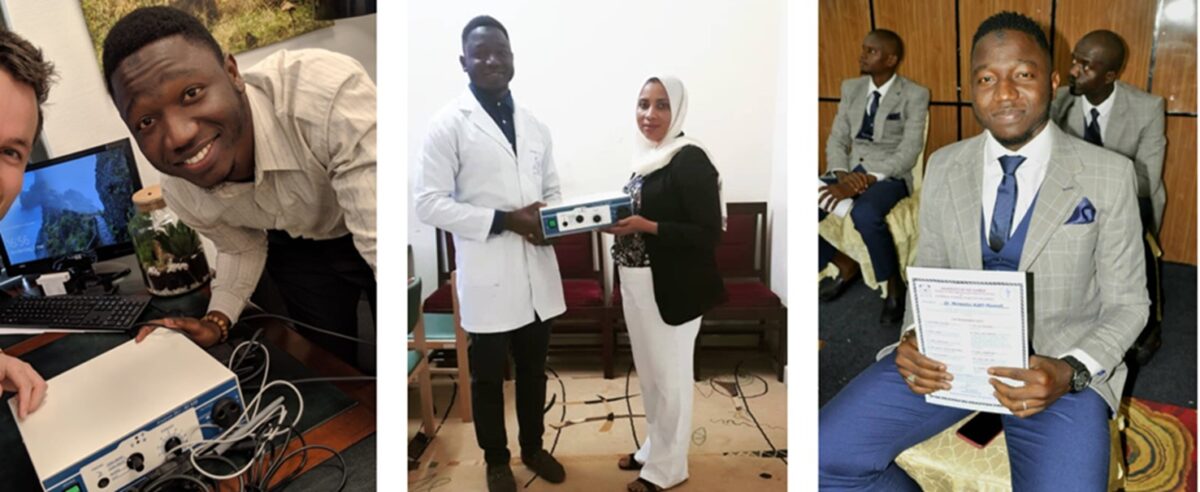
Momodou Kabir Manneh’s great dream is to build a primary care facility on family-owned land in a deprived urban area in the Sukuta district in the west of The Gambia. In The Gambia, there is a strong focus on infectious diseases such as malaria, diarrhoea and HIV. Momodou wants the health centre to treat people with chronic conditions such as diabetes mellitus, cardiovascular disease and COPD as well. These conditions, which until recently were regarded as ‘diseases of affluence’ typical of the West, are also on the rise in The Gambia, particularly in poor neighbourhoods. For those affected, there are significant health benefits to be gained if they receive timely, appropriate information and treatment. And that is what Momodou aims to achieve with his clinic.
The costs are expected to be between 120,000 and 150,000 euros to build the health centre, fit it out with the necessary equipment and cover the salaries of nurses and doctors for the first five years.
A detailed budget and further information about the project can be found at www.ghawa.org.
A Dutch foundation with ANBI status, set up by GPs David Schaap and Willem Koch and pharmacist Eefje van Rijnsoever, is raising the necessary funds.
You can easily make a donation via iDEAL payment form – GHAWA Foundation
Ghana
Dutch GPs from the University of Amsterdam (UvA) are involved in training nurses in Ghana on various aspects of family medicine. For contact details: See their website.
Gert van den Berg has just left for Ghana. Click here for his blog
H
I
India
Collaboration between PUM, Medic and WHIG in India
Through PUM, Pieter van den Hombergh was put in touch with Mr Jain from India to support the launch of a health centre near Amritsar.
Mr Jain acts on behalf of The Shri Madan Lal Puran Devi Jain Trust, which aims to provide affordable healthcare to those who cannot afford it.
It strongly supports the idea of universal health cover for all.
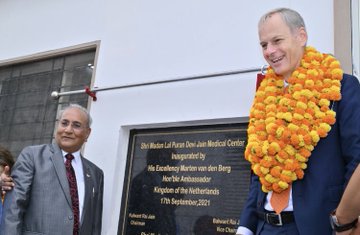
PUM and its Hans Blankert Fund (HBF) enabled Medic to equip the centre with medical equipment. The centre was officially opened by the Dutch ambassador.
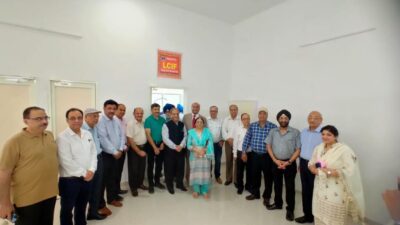
The centre is up and running, thanks to the determination of Mr Jain and his Trust. For To read the interesting report, click here.
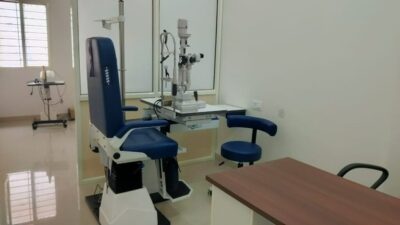
Family Medicine in India. What’s going on?
India has rediscovered family planning after years of neglect. They are currently training 300 family planning counsellors and want to increase this number rapidly. Read their story
Indonesia
Maastricht University is collaborating with the Indonesian Ministry of Health on an exchange programme to share expertise in family medicine training (2017). Click here for information about their course by SHE (School of Health Professions Education)
Iraq
Dara Sinjari is a GP trained in the Netherlands who is trying to set up a general practice in the Kurdish Region. He wrote: Family medicine is playing a very important role in the healthcare system of the Kurdistan Region of Iraq. It is now recognised and integrated into primary healthcare. It is necessary to reorganise primary healthcare due to the increased strain on the health system caused by internally displaced persons and refugees. Family doctors deal with a wide range of issues. We are in the first phase. Our teams are working very hard to improve family medicine.
To get in touch, please email: sinjari@live.nl
J
Japan
In September 2011, Professor Ryuki Kassai, MD – Head of the Department of Family Medicine – and his wife Masako Li, a PhD student in health economics, visited Lex Goudswaard’s health centre in Houten. He trained in Canada and established the first FM training programme in Hokkaido. Contact: Department of Community and Family Medicine, Fukushima Medical University, 1 Hikarigaoka, Fukushima, 960-1295 Japan. Tel: +81 24 547 1515 Email: ryukikas©fmu.ac.jp or masako©econ.hit-u.ac.jp, Home page: http://www.fmu.ac.jp/home/comfam/
In 2009, Prof. Jacobijn Gussekloo visited Japan because they wanted to find out about our elderly care. There is a lot to learn from Japan. For further information, please contact J.Gussekloo@lumc.nl
K
Kenya
In Kenya, family medicine is now recognised as a specialism and
5 universities in Kenya FM training session (a must-see) YouTube video) :
1. Moi University in Eldoret (see update on FM training at MU)
In Eldoret, the WHIG began its involvement in FM training in 2004, and Hans and Marianne Bakker continued to run courses. (see news about Eldoret)a. For the history of the FM training programme at Moi University: Click
b. For the FM curriculum at Moi University Click
c. For the FM trainers in Eldoret Click
d. The HDSS in Eldoret & in Nairobi (S. v/d Vijver & the SCALE UP Study)),
2. Aga Khan University Hospital (AKUH), Nairobi
The FM training at AKUH Nairobi trains three residents a year (a four-year FP training programme). In their third and fourth years, residents undertake their training at a rural government hospital (Marangua Hospital), one hour’s journey from Nairobi, and in Mariakani. .
The Dutch FP Fleur de Meijer is a member of staff in the Department of Family Medicine at AKU. In 2017, two family practitioners from the University of San Francisco (UCSF) spent six weeks in Marangua assisting with training and took part in teaching at AKUH in Nairobi. AKU is interested in a similar collaboration with the WHIG.
Simone Jaarsma and Pieter van den Hombergh led the coaching of the residents taking part in a community-oriented primary care (COPC) elective. They took part in the Canadian-funded ‘Access to Quality Care through Extending and Strengthening Health Systems’ (AQCESS) project, which is being implemented in three sub-counties: Kaloleni/Rabai (Kilifi County) and Boachoge Borabu (Kisii County).
Two residents, Florence Mbatia and Nelson Nyamu, carried out an interesting Quality Improvement project on the burden and management of upper respiratory tract infections in primary care settings.
It demonstrates the potential contribution of FM to a more evidence-based approach. The project led to better, more cost-effective care. In a hurry? Read the article in the African Journal of Primary Health Care
Are you interested in volunteering as a coach? Get an idea of what it’s like by Simone and Pieter’s report on their six-week elective placement.
3. Kabarak University
It is based on Christian values. Infamed covers tuition fees.
4. Kenyatta University (watch the film) Nairobi
KU projected 80 residents in FM for 2020.
5. Maseno University Kisumu
COMMUNICATION COURSE for Kenyan Registrars
COMMUNICATION COURSE; March 2025 at Moi University, Eldoret, Kenya
Marianne Holtland and Pieter van den Hombergh were invited to organise a four-day course in March 2025 for FM trainees in Kenya. The topics covered were communication skills and management/organisation. .
Kabarak University and Maseno University each sent two FM registrars, whilst five came from Moi University.
A total of nine registrars attended. Akiruga – Head of Department for Family Medicine training at Moi University, Eldoret – was our host.
We mainly undertook co-teaching. Dr Nthusi – Head of Department for Family Medicine training at Kabarak University, Dr Ouma Omondi – Head of Department for Family Medicine training at Maseno University, and Dr Akiruga – all delivered lectures alongside us and also attended most of the course.
The PM Fund provided the funds (2890,-) for travel, accommodation, meals and the conference room. The PM Fund receives WHIG funding from the RATOs.
The course was a success and the feedback was unanimously positive.
A brief overview of our programme: Introduction, Leary’s Rose, Patient-Centred Consultation, Learning and Teaching Styles, Management Skills, Breaking Bad News, ‘Meetings, Bloody meetings!’. Final evaluation.
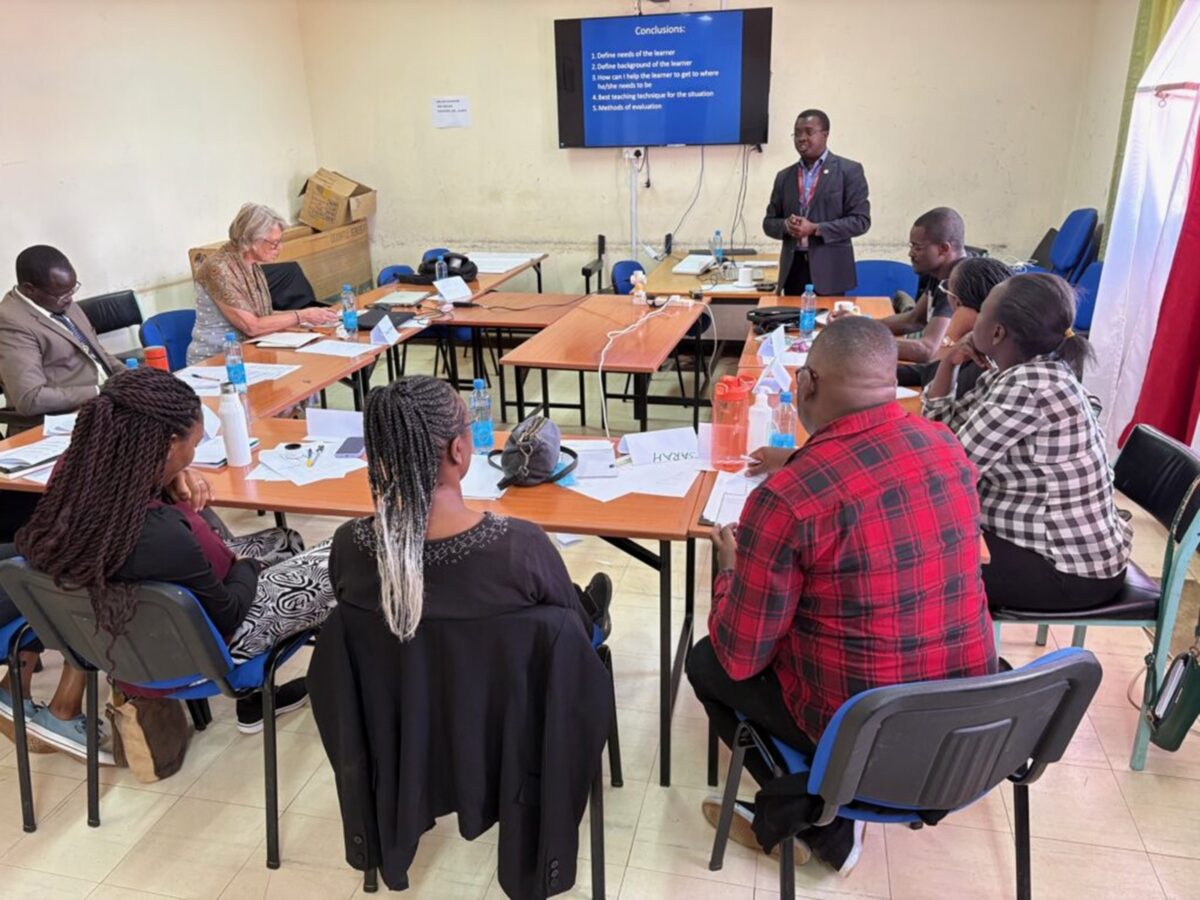
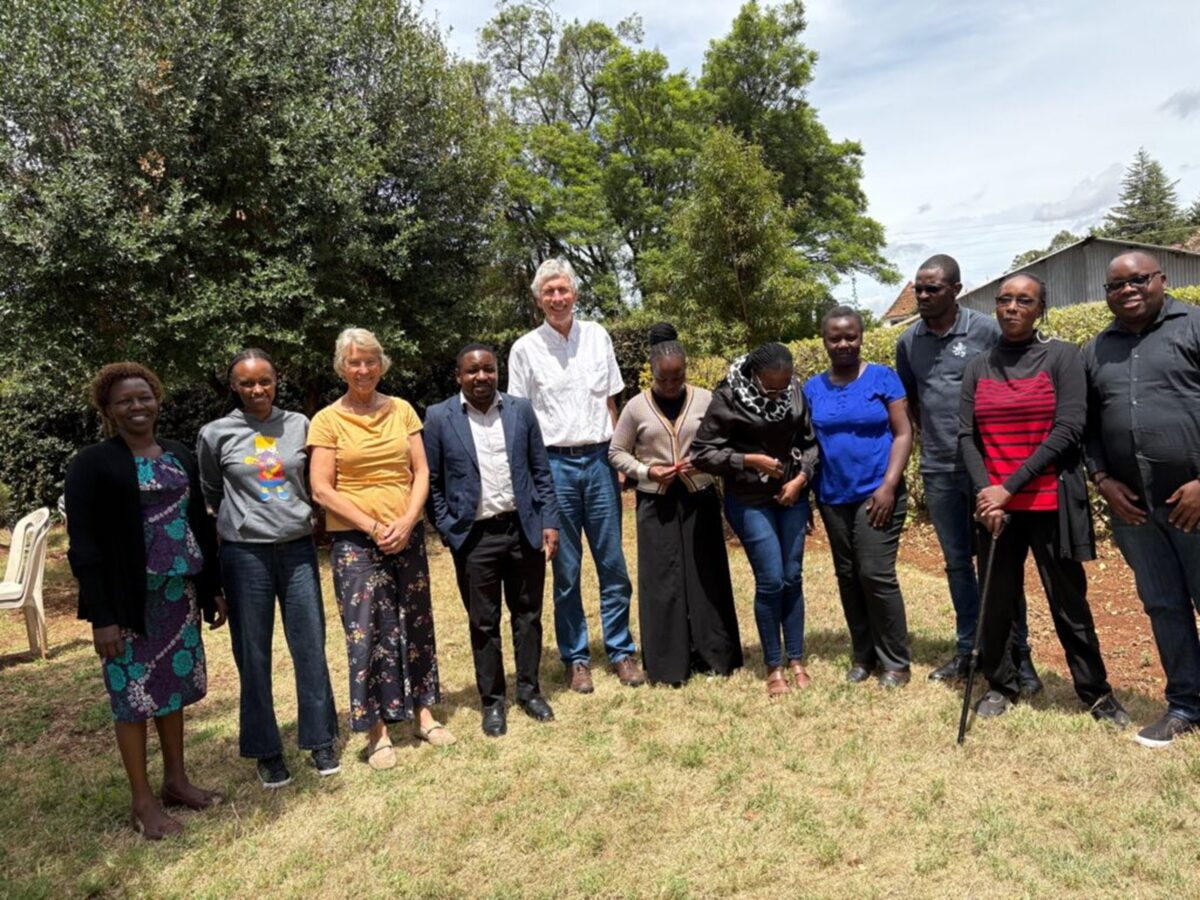
From left to right: Zappora (secretary), Grace, Marian, Akiruga, Pieter, Mellan, Valentine, Sharon, Rapenda, Sarah, Cynthia, Constan. Victor is missing. Below, Dr Nthusi is teaching.
Karen's operation Margriet van Unen, FP.
This is a Dutch-style family practice providing family medicine care to the community of Karen. It is a model of integrated, continuous, personalised care. Family medicine residents are trained at the practice.
L
M
Mongolia
The University of Amsterdam had links with the FM training programme in Ulan Bator.
There is no longer an active connection.
FP Saskia van Vugt visited Mongolia to support the training.
For her vivid report, please email saskiavanvugt©hotmail.nl
Mozambique
Ofélia Rambique is a general practitioner in Maputo. She is taking part in a research study on:
Knowledge of the progression of cervical cancer and its prevention;
Barriers to the Use of Cervical Cancer Screening Among Women Who Attend Mother and Child Health Services in Primary Health Care in Mozambique.
Supervision: Yaone Bogatsu & Pieter Van Den Hombergh
Her research is carried out within the ARC programme Her study is ready to begin.
Myanmar
Myanmar has a primary healthcare system, but is aware of its shortcomings. We received this newspaper article from Jaap Hamel, a public health consultant page 1 and page 2 on FM. This is the beginning.
N
Nepal
THE FOUNDATION WOMEN FOR WOMEN NETHERLANDS ”Health project for women in Nepal” This project provides treatment, education and training, and collects data for scientific purposes, in the hope of supporting the development of health services in Nepal. We were overwhelmed by the large number of women in need who visited our camps, and we treated 1,200 women for gynaecological conditions over a period of six days. In 2003 and 2004, we again organised gynaecological camps in various areas and are now focusing on problems relating to uterine prolapse (a fallen womb). Read more at http://www.vrouwenvoorvrouwen.nl/. The FP on the programme is Molly Verdegaal mollyv@planet.nl. Read her article in the MT special.
In Nepal, only 15% of the population has access to the national healthcare system. The hospital with which Projects Abroad collaborates charges around 1/5 of what many hospitals in Kathmandu charge. This means that the poor also have access to better healthcare. The hospital also has a special fund, partly sponsored by Projects Abroad, which enables some patients to receive treatment for a small contribution or free of charge. Read more on the website From Projects Abroad: http://www.projects-abroad.nl/vrijwilligersprojecten/projecten-voor-professionals/gezondheidszorg-in-het-buitenland/arts/nepal/
This medical project is ideal for people with experience in the healthcare sector who wish to volunteer abroad, such as doctors on sabbatical.
New Zealand
Working as a GP in New Zealand
In January 2023, we – our family of three children – moved to New Zealand, where I have been working as a GP ever since. It’s been a wonderful experience for us all and a great new challenge after nearly 10 years of working in the Netherlands. I would definitely recommend it to anyone interested in living abroad!
New Zealand is a beautiful country with plenty of outdoor opportunities and a very relaxed atmosphere. There is a severe shortage of GPs, which is why they are very keen to welcome GPs from abroad. It is possible to find a job as a GP in both rural areas and larger towns and cities. Everyone is very grateful that you’ve come, and this appreciation is regularly expressed, particularly by patients. Patients and colleagues are used to foreign doctors and to seeing new faces.
About the work
Unlike in the Netherlands, virtually all patients come to the surgery, and home visits are rarely, if ever, carried out, unless the surgery also has nursing home patients who are genuinely no longer mobile – which is a very broad concept here.
In the case of urgent or seriously ill patients who are unable to come to the surgery, they are often referred straight away to A&E or 111 (the emergency number). Patients can go to A&E without a referral. This takes a bit of getting used to if you’re used to the Dutch healthcare system.
A day is divided into a morning and an afternoon session, and you see patients during these sessions. These are 4-hour blocks, including time for administrative tasks. It varies from practice to practice, but on average you see 10 to 12 patients per session. During the administrative blocks, you’ll deal with prescriptions, post and so on. Occasionally, a nurse may ask you to observe a patient, but this doesn’t happen often as the nurses are well-trained and highly knowledgeable. Some practices also have a ‘doctor on the day’ who takes on a lot of the administrative work and acts as the point of contact for the nurses, so that you are not disturbed during consultation hours. A half-hour break is set aside for lunch between sessions. This isn’t paid, but in principle you really don’t work during this time – it’s just for enjoying a nice lunch.
You work with nurses rather than doctors’ assistants, which is very pleasant. They have their own consultation hours, which helps to reduce the workload. As a result, you see fewer minor ailments, and the patients you do see are more likely to have complex issues. The receptionists have no medical training, which means that in most practices there is little or no triage. Patients can therefore book an appointment easily, and sometimes you don’t know in advance why they’re coming. However, urgent slots during the day are triaged by the nurses, ensuring these slots are filled with patients who really do need to be seen that day.
As well as being a GP, in New Zealand you’re also an occupational health doctor, an insurance doctor, a medical examiner, a ‘1.5-line’ specialist and a CB doctor, and you write the necessary sick notes for patients, because as soon as they’ve been off work for more than three days, they need a sick note from their GP for their employer.
In slightly larger towns, there is often also an Urgent Care Centre (UCC) providing GP day care and out-of-hours services. In rural areas, you work on call in the traditional way, on your own with a telephone, sometimes with a direct helpline between patient and doctor. The Urgent Care Centres are similar to GP out-of-hours centres in the Netherlands, but they are also open on weekdays and not just during out-of-hours periods. The out-of-hours duties are shared amongst GPs in the region; for the other weekday shifts, they often employ permanent GPs. Patients can visit an Urgent Care centre themselves, without an appointment, or be referred there if their GP practice has no availability that day or has a long waiting time, or if they are unable to register with a practice due to a shortage of GPs. The costs for this are considerably higher than for a GP practice and, unfortunately, very little triage is carried out here either.
As the practice does not operate on an appointment basis and does not offer telephone advice, patients sometimes have to wait for hours to see a GP. Patients come to the UCC, are triaged by a nurse there, and then wait to see the GP. I found these waiting times very hard to get used to, but the Kiwis are used to this and are still very grateful once they’ve been seen. Even if they’ve waited four hours for advice on taking paracetamol for a sore throat, their appreciation remains high!
In rural areas, where there is no rapid access to acute hospital care or paramedics in ambulances, it is sometimes necessary for GPs to be PRIME-trained and to be on call. PRIME stands for Primary Response In Medical Emergencies. You’ll then be the first on the scene at, for example, a road traffic accident or a resuscitation situation, alongside the local fire brigade. This is a 24-hour service in rural areas and can happen at any time, whether you’re cycling between consultations or in the middle of the night. The PRIME training involves a week of intensive study and practising scenarios, delivered by New Zealand’s largest ambulance organisation, St John. They ensure you’re well prepared!
Kiwis are really laid-back people: approachable, grateful and usually hard-working. Many wear shorts all year round and come in barefoot or in socks, as they leave their gumboots – the boots they’ve been wearing whilst working on the land or out hunting – outside. They enjoy talking about their country and giving travel tips, as there is so much beauty to discover.
There are also many people of other nationalities living in New Zealand, which makes for a nice bit of variety. You’ll often come across Dutch surnames, which makes for a great conversation starter!
The Māori population in New Zealand is a special group to care for. This population is largest on the North Island. Medicine is viewed differently in Maori culture than in Western culture, with different norms and values. Gaining a deeper understanding of this is essential to providing culturally appropriate care to this group of patients, and is also very interesting.
Unfortunately, there is significant inequality in health outcomes, with Māori always coming off worst. This is distressing and sometimes seems like a huge, intractable problem. Poverty is a problem in New Zealand. This can sometimes present major challenges in day-to-day practice and create complexities that you, as a GP, may have to deal with. Especially when the 2the That is a long way off, given the many shortages that prevail there as well.
Another interesting issue in New Zealand is the approach to skin cancer. It’s pretty much the case that every spot is considered cancer until proven otherwise. New Zealand has the lowest melanoma survival rate in the world.
GP care is not part of the basic healthcare system here, which means patients have to pay for consultations. Children up to and including the age of 13 are treated free of charge, and older people or those on low incomes pay a reduced consultation fee. In addition, there are several other funding streams for areas such as chronic care or psychological issues. Nevertheless, it feels contradictory that patients have to pay for consultations, and this makes healthcare here different from that in the Netherlands. Patients are not always keen on a follow-up consultation; they prefer to save up their complaints and then try to discuss them all in a single consultation. It’s a challenge, but fortunately there is usually understanding when this doesn’t work out and they have to come back anyway.
How to find a practice and sort everything out
Moving to New Zealand requires a fair amount of preparation and organisation. You’ll need to sit a language test, meet registration requirements, sort out visas and find a suitable practice. That might sound overwhelming, but with the right guidance, the process is manageable and can be tackled step by step. Depending on your preferences – such as location, type of practice and the level of support you require – you can choose a recruiter who best suits your needs.
There are various organisations that act as intermediaries between GPs from countries such as the Netherlands and GP practices in New Zealand. If you are interested and have passed your IELTS or OET test, they can guide you through the rest of the process. For many doctors, the IELTS test is a challenge, whilst the OET is often seen as more accessible because it is a medical language test.
You don’t need to sit any medical exams, but there is quite a lot of paperwork involved in your registration and work visa. Fortunately, the recruiter in question can help you with this. Allow about half a year to sort everything out: getting in touch with a recruiter, finding a suitable role and then sorting out your registration and visa. It takes a bit of effort, but it’s doable — and once you’re in New Zealand, you’ll soon forget all that paperwork. It’s more than worth it.
The staff at GP practices are usually very friendly and keen to help you get started. During your first year, you’ll also have a supervisor, so there’s always someone you can turn to.
During the orientation phase, it’s also great fun and very useful to get in touch with Dutch GPs who are already living and working in New Zealand. A WhatsApp group has therefore been set up for all GPs interested in moving to New Zealand and those who already live there. Through this app, you can ask lots of questions, make contacts and get information. It’s very useful.
After working in New Zealand for over three years, I can say with complete conviction that it has been a wonderful experience, a great new challenge and an incredibly beautiful and adventurous country to live in.
If you have any further questions, please feel free to contact me at any time: sophie.bonarius@gmail.com
In conclusion
Partly due to all the enthusiastic responses I’ve received to this article, and because I’d like to inspire more Dutch GPs to take this unforgettable leap of faith, we have, alongside our regular work, launched our own agency in March 2026 to support Dutch GPs with (temporary) emigration to New Zealand!
For further information, see www.medventures.nl
Or email us at: info@medventures.nl
Norway
Norway has a shortage of GPs. Rural healthcare is well developed, due to the large, sparsely populated areas.
The website to visit is: https://www.legejobber.no/, choose: specialism in general practice.
You need authorisation and approved documentation regarding your medical training
If you are interested, please email our Dutch colleague Anne Guus Verhoeven [averh@broadpark.no]
O
P
Palestine
Palestine has a primary healthcare (PHC) system, but wishes to move towards a family practice model. In 2016 and 2017, the WHO published a Recommendation to the Ministry of Health for a 10-year strategy for family practice care in Palestine (Jarl Chabot/Pieter van den Hombergh) which contains information on the situation of FM in Palestine.
A family medicine training programme was launched at An Najah University, in collaboration with International Development of Family Medicine in Palestine (http://www.idfmp.org)/ and Medical Aid for Palestinians (MAP-UK). Follow a lecture by Paul Wallace to keep up to date with the latest developments. For more information, click here.
Philippines
Grace Marie Ku is our only point of contact with the Philippines and lives in Brussels. She is a Family Doctor and researcher. Email: Grace Marie Ku
Q
Qatar
An opportunity has arisen for a team of specialist GPs to work in Doha, Qatar.
Well paid and well looked after (salary $17,000 – $22,000 USD per month, 40–48 hours per week, a car and driver to provide care in the community, 50 days“ paid annual leave per year; if you bring your family, the hospital will pay a schooling allowance and cover business flights for the whole family), and you will work within a General Practice ”Homecare System’.
Doha is the shining jewel of Qatar, a multicultural city that is home to most of the country’s population as well as expatriate communities from a wide range of backgrounds. There is no shortage of shopping opportunities in the city’s numerous shopping centres, whilst the Corniche captivates visitors with its picturesque architecture and dazzling views of the harbour.
If you are interested, please contact: Alison Brooks, MRCS, Recruitment Consultant, Ochre Recruitment. alison@ochrerecruitment.com| M 0439 690 336 | P 03 9020 7820 | Suite 23, Level 10 | 401 Docklands Drive| Docklands| Victoria | 3008
R
Romania
SEMPER AMICI
The Semper Amici Foundation supported the development of primary care in Iași, Romania. It ceased its activities in November 2023 and closed down.
Paul Heuberger was chairman and Erna van Muijden-Karssen was secretary-treasurer
For further information, please call +31(0)33 4214990
MATRA project
The Matra project ended 16 years ago.
In October 2023, the society held a conference to assess the impact of the project.
Cristina Isar, President of CNSMF, Elvira Cherila and Marius Marginean organised the conference.
Click for a report on the conference
S
SIERRA LEONE
Masanga Hospital, Sierra Leone, where Maria Bakker AIGT works as a clinician and manager.
Two AIGTs (in training) are also assigned to this hospital.
Education is key in Masanga. Having been a Capa Care (https://capacare.org/) training centre for over a decade, this small district hospital is entering a new phase. It has become a referral centre, a research unit has been added and its laboratory has expanded significantly. And it is technically impressive: in 2023, the hospital switched to solar power.
Masanga Hospital continues to train surgical and paediatric students. Medical trainees have recently begun their rotations. Together with the government and external partners, Masanga is committed to empowering local healthcare staff. (https://www.masangahospital.org/)
South Africa
SA is a beacon of FM for the rest of Africa. People such as Steve Reid, Bruce Sparks, Bob Mash, Shabit Moosa and many others are at the forefront of promoting FM.
For me, the strength of the FM approach lies in the work of Hugo Tempelman – a Dutch GP – together with Liesje Froeling in Elandshoorn.
Dr Shabir Moosa is active in the Gauteng and Johannesburg areas. He has done impressive work and is instrumental in establishing many contacts in South Africa. See his website for WONCA and his personal website
In 2020, Ritiki Tiwari, Bob Mash et al. published a paper on the SA Family Practitioners’ workforce. The numbers are on the rise!!
Suriname
In Nijmegen, the FP Training Institute has started organising a twinning programme centred on FP training. You can read more about their experiences here, the article was first published in *Lijn 1*, the magazine of Radboud UMC, Contact guus.busser@radboudumc.nl
Alexander Snijdewind regularly organises CME events in Paramaribo, Suriname. Theme: Best practices in general practice care. www.dokterinsuriname.nl
Willemijn Leeuwen worked as an A&E doctor at the L. Mungra Streetziekenhuis Nickerie (LMSZN) until July 2016. Afterwards, she will return to the Netherlands to continue her AIGT training in maternal and child care. Would you like to hear about her experiences? Or do you have any questions about how to contact the hospital? She is happy to answer any questions at: willemijnleeuwen@hotmail.com. Or read about her experiences (in Dutch) Diabetes Specialist in Suriname (WHIG)-4
T
Tanzania
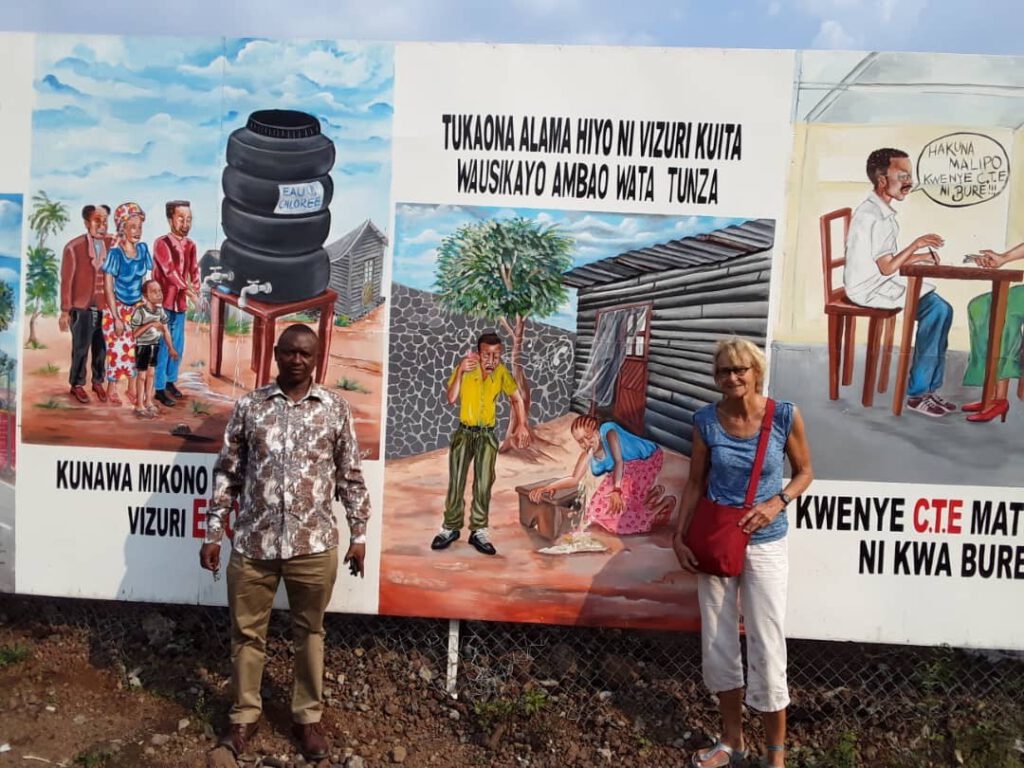
The Dutch FP Belia Klaassen has been running a general practice for many years. The clinic has a website and her newsletter in Dutch has a fascinating story and also talks about her work in the DRC (Congo).
Family Medicine Training is now a state policy in Tanzania
Public Masters FM training is now a reality, following the success of the private FM training at the Aga Khan Institute in Dar es Salaam.
Read the latest issue of the African Journal of Family Medicine. https://scielo.org.za/scielo.php?script=sci_arttext&pid=S2071-29362023000100076#corresp
Palliative care is a key focus area for Family Medicine
Rubya Hospital is an advocate for training nurses in palliative care, carrying out home visits in the villages.
Fons Mathot’s has a brief a story about the training and a moving home visit.
PUM
Read more on Prof. Niek de Wit’s recent visit to Tanzania with PUM.
U
Uganda
A new Head of the Department of FM has taken up post at Makarere University: Jane Frances Namatovu.
Jane made a “A summary of developments in Family Medicine” with literature on FM in Uganda. She has received funding from the PM Fund to undertake a course to prepare for a PhD at MU (photo) with Prof GeertJan Dinant. Adam Lagro is her host during her stay. Jane has been teaching in Rwanda as part of an exchange (photo). We hope to work together to ensure the success of FM training in Uganda.
Lotte van Dijk has been working at AIGT in Kampala since 2014 (The Surgery, an FM practice/medical home/A&E department with a High Dependency Unit and admission facilities). If you would like to contact her to discuss her experiences, please email info@whig.nl and we’ll put you in touch with Lotte.
Ukraine
Foundation Sharing Knowledge N-U (The Netherlands, Ukraine)
The FSK N-U aims to facilitate the exchange of knowledge between Dutch GPs and Ukrainian doctors working in primary care. To achieve this, the Foundation translates NHG guidelines into Russian and organises and delivers training programmes based on the NHG guidelines in Ukraine. Tel. +31 345 618227 www.fsknu.com
United Arab Emirates, Dubai
In Dubai, Caecilia Verlinden – once a key member of the WHIG – works as a family doctor. She has a professional page on Facebook
V
W
X
Y
Z
Zambia
Lisette Kramer has been working in Zambia since November 2016. She initially worked in rural areas in southern Zambia and, for the past four years, has been working at a local ‘first-level hospital’ in a deprived neighbourhood. lisettekramer@hotmail.com
Jelle Struik (GP) recently worked as a locum at a rural hospital in Zambia. He found that, as a GP, he was able to make a valuable contribution even though he had not been trained as a tropical surgeon.
Read his website: http://jelleendiane.reismee.nl/
To contact Jelle, please email: info@whig.nl for his email.
 Dutch
 English

