
Home
Primary healthcare in an international perspective
The WHIG is a recognised working group within the Dutch College of General Practitioners (NHG) and the Netherlands’ Society for Global Health (NSGH). The Working Group was founded in 1995 by a group of passionate general practitioners with experience in tropical medicine. The WHIG consists of an executive committee and a core group of active members.
The WHIG's first priority was to set up travel advice within general practice. The second pillar was to promote the implementation of general practice in African healthcare systems, where between 60 and 80 general practitioners have been trained in Kenya. Projects are also underway in other countries.
The Peter Manschot Fund was established to support the costs of projects and training abroad. Subsequently, the WHIG provides the ‘integrated personal care’ component of the current training programme for doctors in international healthcare (AIG). The WHIG currently has the ambition to further professionalise and focus on collaboration.
We are also a network that assists with international placements for doctors (in training).
Advice for travellers
The WHIG aims to promote travel advice and travel medicine within general practice.
- Why Travel Advice?
- Practice guide
- Training & Further training
- Quality & Working Group on Travel Counselling WHIG
- Traveller advice test consultation (RATO)
Diversity
“”The GP provides care to everyone: from young to old, and from a variety of cultural, ethnic and socio-economic backgrounds. This diversity of patients has implications for general practice due to differences in epidemiology and genetic factors.”
The WHIG aims to contribute to the sharing and further development of expertise relating to international general practice and diversity, in collaboration with other organisations in this field. In addition, the WHIG aims to contribute to the internationalisation of general practice training.
- DIGH
- Care for undocumented migrants
- Care for refugees
- Pharos
- AMAM – Association of Moroccan Doctors in the Netherlands
- The Netherlands Disadvantaged Groups Fund Foundation
- Sanitas Foundation
Family Medicine in LMICs
The global FM website of the College of Family Physicians of Canada’s Besrour Centre for Global Family Medicine contains up-to-date country-level data on family medicine around the world. It covers everything from the duration of training to when family medicine training begins, etc. (Prof. Neil Arya)
The WHIG’s aim is to be a network connecting Dutch family doctors with colleagues in other countries. Any Dutch family doctor who is practising abroad is invited to submit a text, which we can publish under that country’s section.
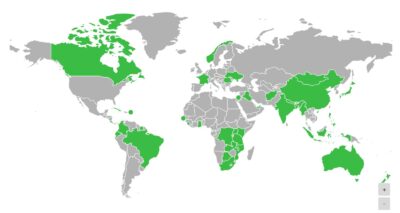
Click here for more information, or on the world map on the HOME page.
- Who are we? The WHIG support team IH
- Jobs & Electives in Family Medicine
- Training and coaching in Family Medicine
- Research and PhDs in Family Medicine in LMICs
- Literature on FM in LMICs and Evidence of FM in primary care
WHY do we aim to promote FM abroad?
Family Medicine (FM) is now recognised as a speciality in low- and middle-income countries (LMICs) as well.
The need to apply the principles of FM in primary care requires trained general practitioners, a need felt by all countries that wish to Universal Health Coverage (UHC) by 2030. WHO progress report by country
The WHIG is a partner of PRIMAFAMED, a “North-South” network in sub-Saharan Africa.
Within Primafamed, WHIG works on capacity building in family medicine, with a focus on sub-Saharan Africa
Its aim is to include FM principles in its healthcare provision, with the ultimate aim of achieving UHC (BMJ). Von Pressentin’s thesis sets out evidence on the contribution of family practitioners to healthcare in South Africa.
A short and a feature-length film about FM radio in Kenya is on YouTube (3′); full version (30′)
– Contribute to the family medicine training of doctors/medical officers undertaking compulsory service. Compulsory service would be an ideal time to begin training in family medicine: Paper in MT.
Archives of Medicus Tropicus: https://www.nvtg.org/index.php?id=1138
email: MTredactie@nvtg.org
Peter Manschot Fund
The founding fathers of The Peter Manschot Fund
The ‘Peter Manschot’ fund was named after the first Dutch trainer of the FM training programme at Moi University. He died in 2005, a few months after teaching the first group of FPs at Moi University.
In 2011, we also lost his colleague Arnout Chavannes, who was also a teacher in Eldoret.
In October 2016, Prof. H. Crebolder left the fund. He died in 2019 and made a significant contribution. Leny Manschot, married to Peter Manschot, stepped down as treasurer in 2017.
Adam Lagro served as secretary from 2017 to 2022. He did a great deal of fundraising and was a wonderful team member. Health issues forced him to step down, and he passed away in 2022.
What do we do?
The WHIG, with the support of the PM Fund, hopes to alleviate the shortage of human resources in LMICs through training in FM principles.
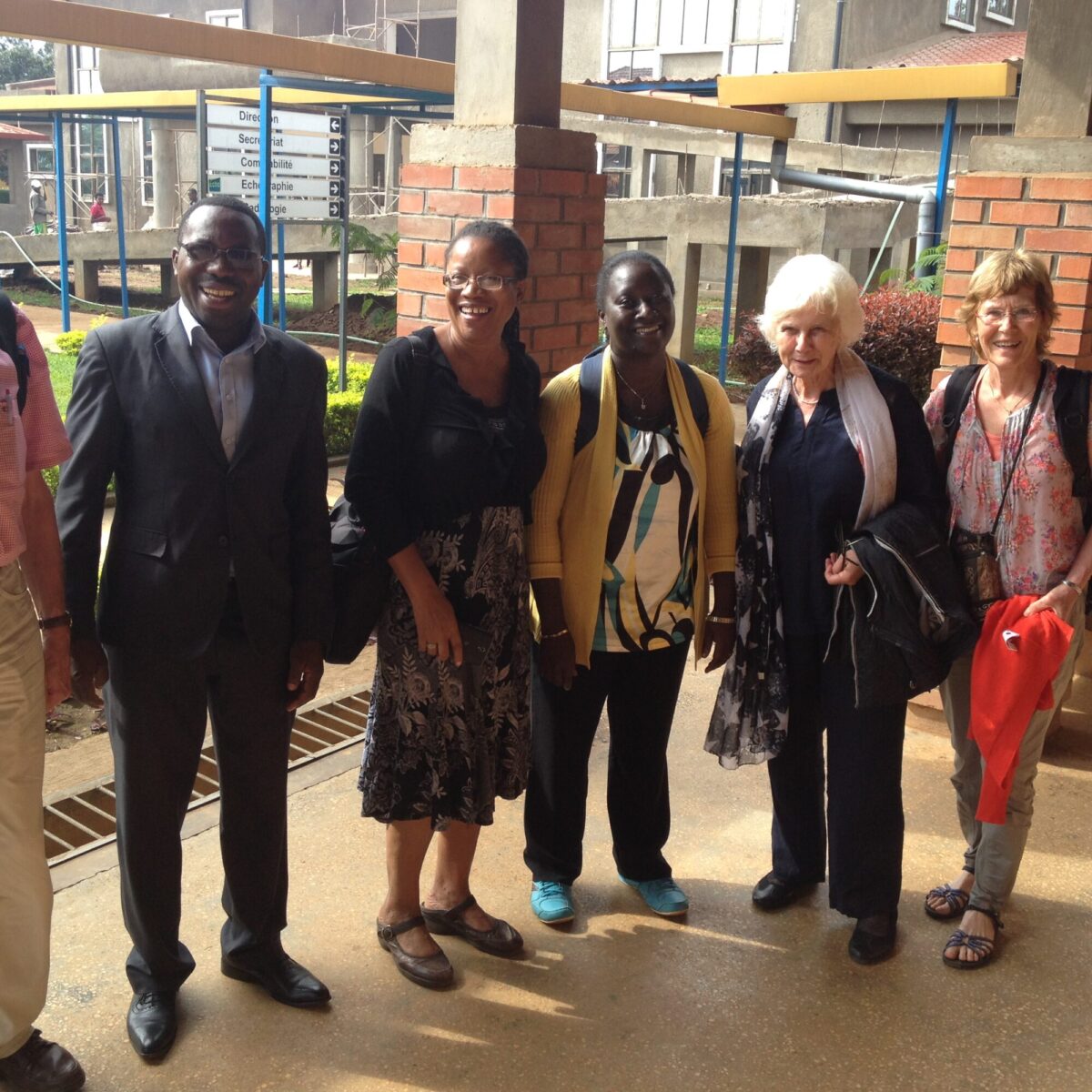
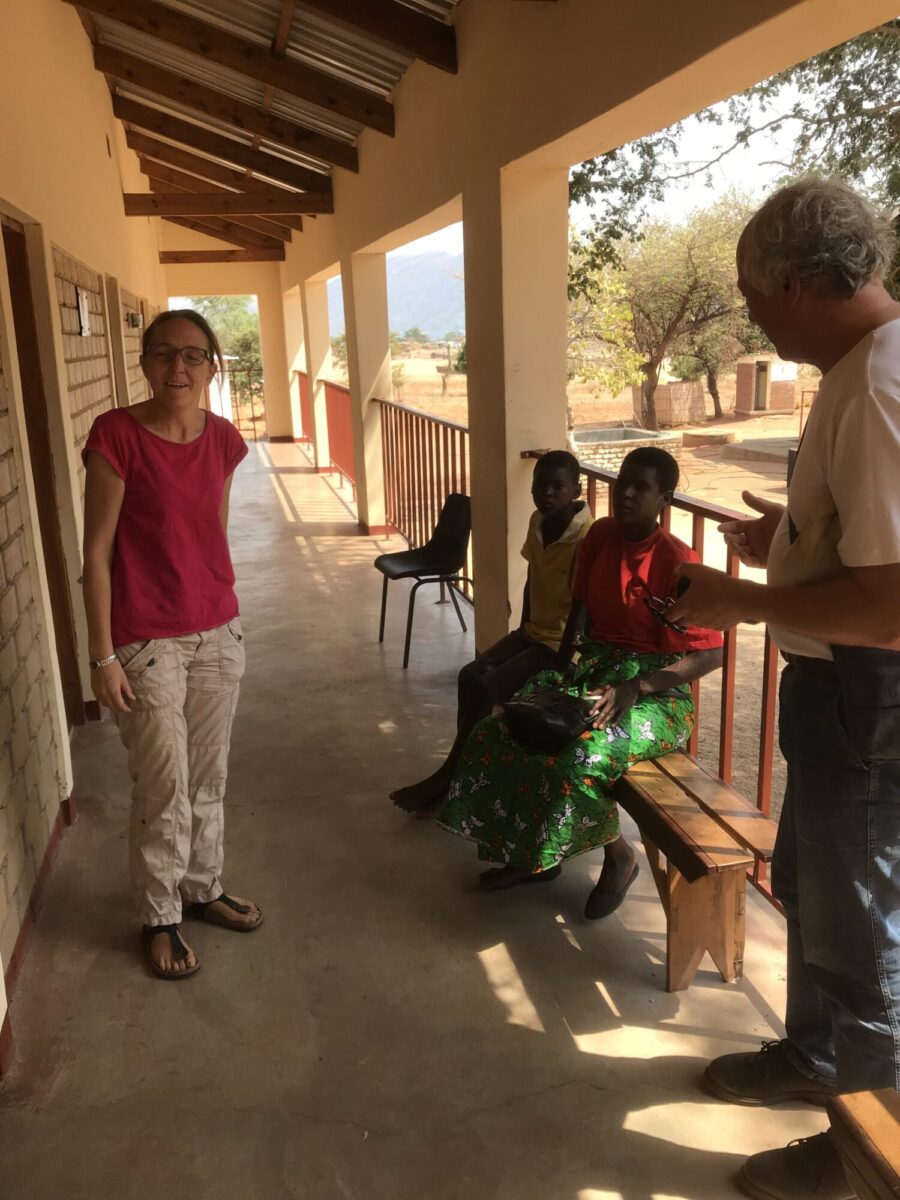
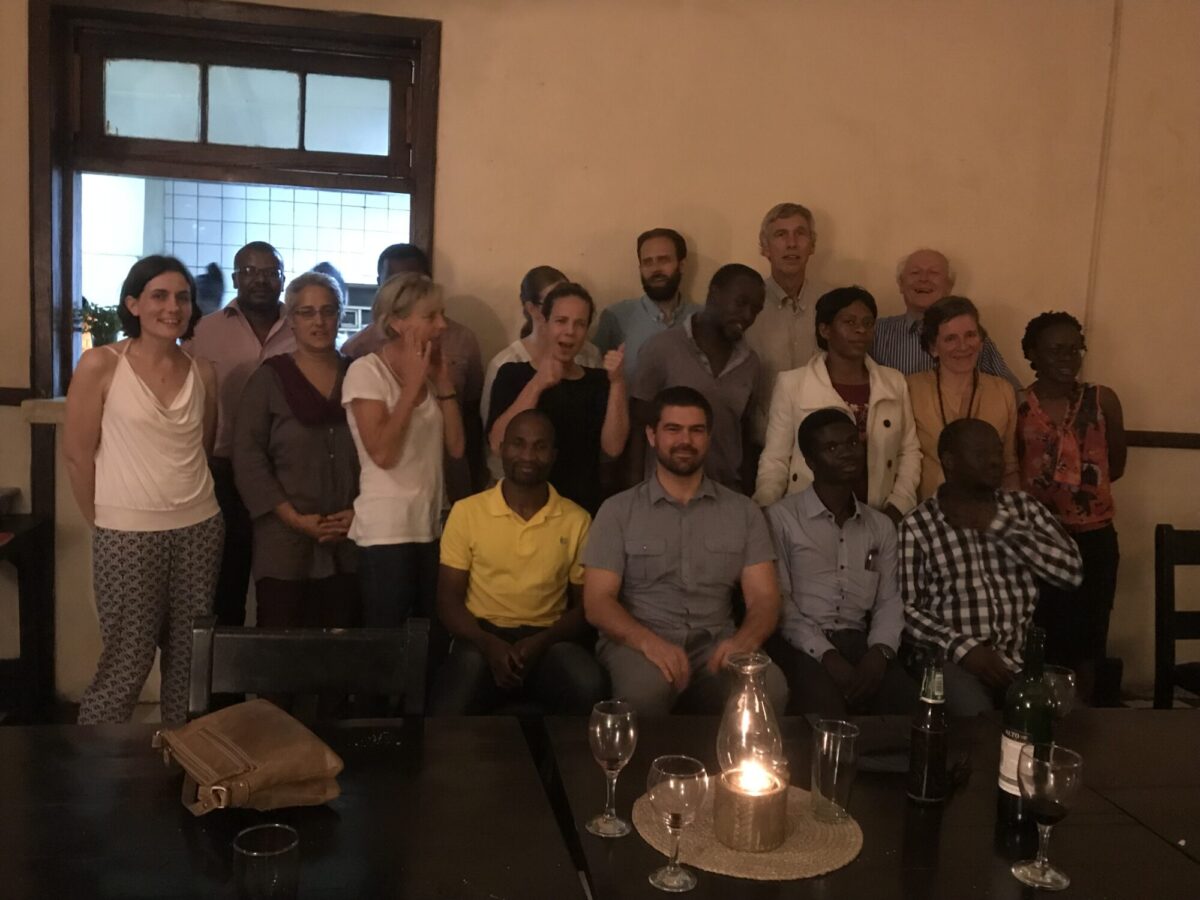
We support undergraduate programmes in Community Health and Family Medicine in Rwanda, Kenya and Malawi through coaching, teaching and technical support.
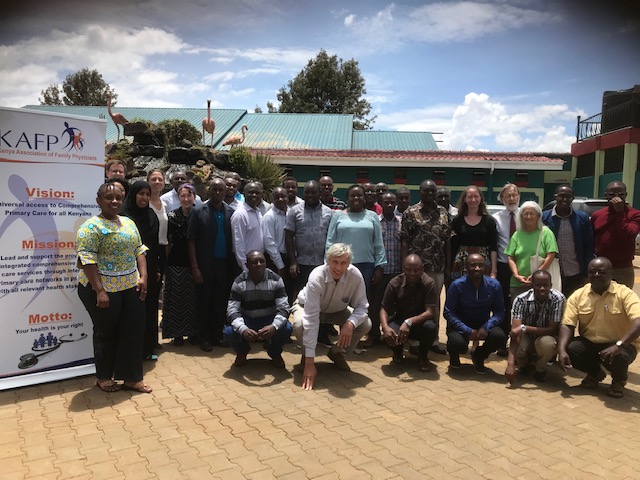
We promote postgraduate FM training programmes and support the establishment of family practice associations in Kenya (KAFP) & Rwanda.
We are desperately seeking funds. Training is expensive and resources are limited.
We have ANBI status and have applied for CBF status.
Our RATOs (travel advice assessment groups) help to finance the PM Fund.
Our comprehensive policy plan can be found in our project proposal.
Achievements
Since 2005, more than 90 family practitioners (FPs) have graduated, and family medicine (FM) training has been introduced at five universities in Kenya. All these FPs work in rural district and sub-district hospitals or health centres; none of them has left the country. Many FPs from Moi University now work as academic staff in other family medicine training departments. The FPs have established their own College and Association (KAFP) and are in close contact via WhatsApp. CME and research have really taken off, and GPs are in high demand for senior roles in the counties.
A documentary film was made for YouTube (3′) from the full version (30′)
The PM Fund also contributed to the FM training in Rwanda (undergraduate programme) and in Uganda (training of Heads of Department, Makarere FM training programme) and Indonesia (Train the Trainers)
We also collaborate with FM training departments in South Africa and Malawi.
Navigate to each country
 Dutch
 English